
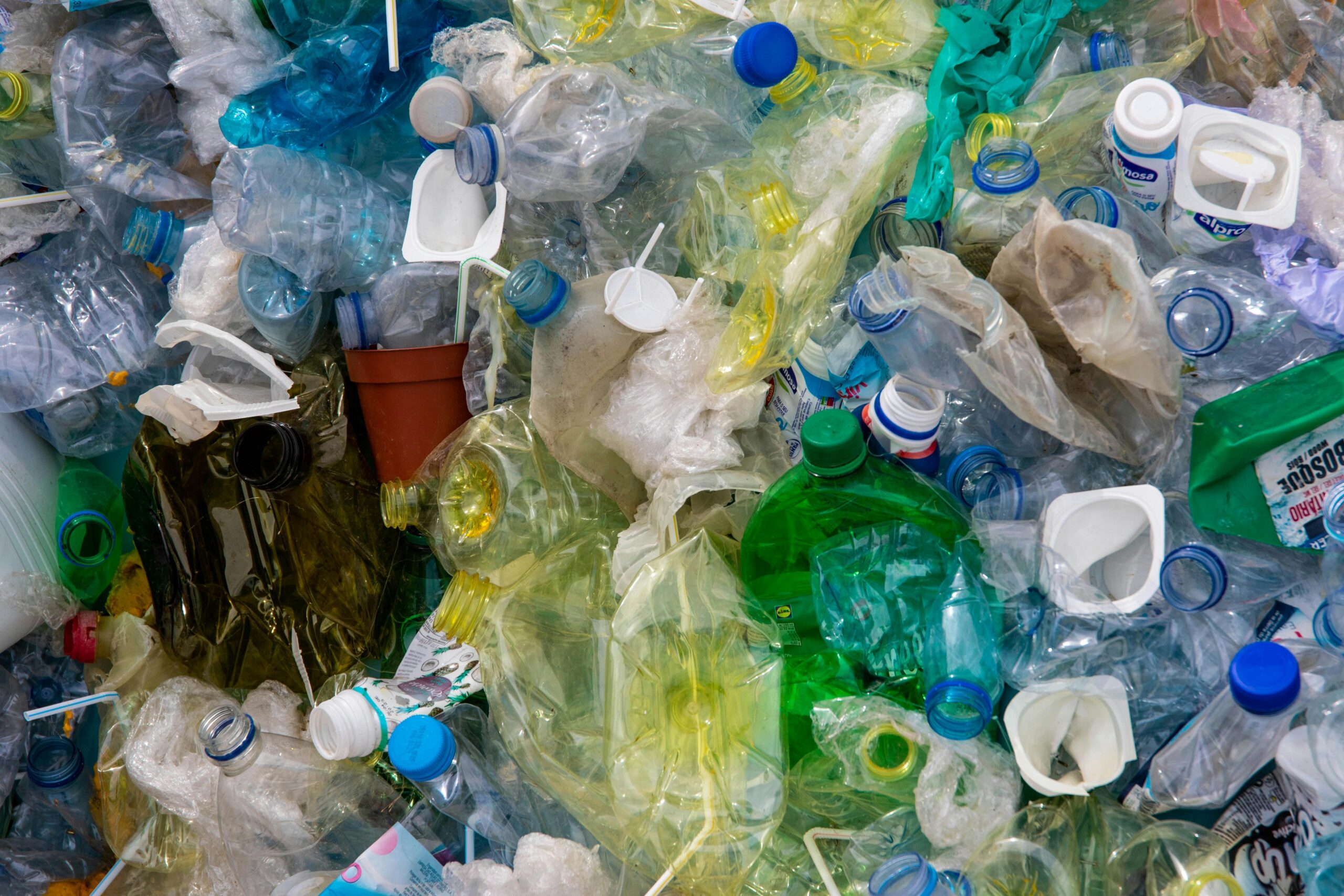
Waste is more than an environmental crisis—it’s a behavioral challenge. By understanding the psychological triggers behind our consumption and disposal habits, we can unlock powerful strategies for lasting waste reduction.

🧠 The Psychology Behind Our Waste Habits
Every day, millions of tons of waste accumulate globally, much of it stemming from unconscious behaviors rather than intentional wastefulness. Our brains operate on autopilot for most daily decisions, including how we consume, use, and discard products. This automatic processing explains why knowledge alone rarely translates into sustainable action—we know we should reduce waste, yet our behaviors often contradict this understanding.
Behavioral science reveals that our waste-generating habits are reinforced through convenience, social norms, and cognitive biases. The availability heuristic makes us underestimate our personal waste impact because we don’t see landfills daily. The present bias causes us to prioritize immediate convenience over long-term environmental consequences. Meanwhile, social proof influences us to follow wasteful patterns simply because others around us do the same.
Understanding these psychological mechanisms provides the foundation for designing interventions that actually work. Rather than relying solely on environmental education or moral appeals, behavioral levers tap into the same cognitive processes that created wasteful habits in the first place, redirecting them toward sustainable outcomes.
🎯 Strategic Behavioral Levers That Drive Change
Behavioral levers are specific intervention points where small adjustments can produce disproportionately large impacts on waste reduction. These levers work by aligning sustainable choices with natural human tendencies rather than fighting against them.
Default Options: The Power of Inertia
Perhaps the most powerful behavioral lever is the strategic use of defaults. Research consistently shows that people tend to stick with pre-selected options, even when switching requires minimal effort. In waste reduction contexts, this means making the sustainable choice the automatic one.
Restaurants that provide reusable utensils by default, offering disposables only upon request, significantly reduce single-use plastic waste. Companies that automatically enroll employees in double-sided printing reduce paper consumption by 30-40%. Housing developments that provide composting bins as standard equipment see participation rates three times higher than those requiring residents to opt-in.
The beauty of default strategies lies in their effortlessness—they reduce waste without requiring conscious decision-making or sustained willpower from individuals.
Social Norms: Harnessing Peer Influence
Humans are profoundly social creatures who constantly calibrate their behavior based on perceived norms. Making sustainable behaviors visible and highlighting their prevalence creates powerful motivation for adoption.
Hotels that display messages indicating most guests reuse towels see 26% higher participation than those using generic environmental appeals. Neighborhoods with visible composting bins on curbs normalize the practice, encouraging adoption by holdouts. Public commitments and visible pledges leverage our desire for consistency between stated values and actions.
Digital platforms amplify social influence by showcasing waste reduction achievements, creating friendly competition, and building communities around sustainable practices. When people see their peers reducing waste successfully, the behavior shifts from “something environmentalists do” to “what people like me do.”
Feedback Loops: Making the Invisible Visible
One fundamental barrier to waste reduction is the invisibility of consequences. We place items in bins and never think about them again. Creating timely, specific feedback about waste generation makes abstract problems concrete and actionable.
Smart bins that display real-time weight measurements help households track their waste production trends. Municipal programs that use clear bags for garbage make waste visible to both the producer and neighbors, typically reducing waste by 20-30%. Itemized waste bills that charge per unit rather than flat fees create direct financial feedback that motivates reduction.
Mobile applications transform feedback into engaging experiences through gamification, challenges, and progress tracking. These digital tools provide the immediate gratification that sustains behavior change over time.
♻️ Designing Choice Architectures for Zero Waste
Choice architecture refers to how options are presented and organized in decision-making environments. Thoughtful design can guide people toward sustainable choices without restricting freedom or requiring extensive deliberation.
Simplifying Sustainable Actions
Complexity is the enemy of behavior change. Every additional step, decision point, or moment of confusion creates friction that derails good intentions. Successful waste reduction initiatives obsessively remove barriers to sustainable behavior.
Color-coded recycling systems with clear visual labels eliminate confusion about proper disposal. Conveniently located composting drop-off points reduce the effort required for participation. Pre-paid return shipping for product packaging makes circular economy participation effortless for consumers.
The goal is making sustainable choices easier than unsustainable alternatives. When reducing waste requires less cognitive load and physical effort than creating it, behavior naturally shifts.
Strategic Placement and Timing
Where and when options are presented dramatically influences choices. Placing reusable bag dispensers at store entrances captures decision-making at the critical moment. Positioning water refill stations prominently in public spaces intercepts potential bottled water purchases. Offering waste reduction tips immediately after online purchases capitalizes on heightened environmental awareness.
Timing interventions for moments of transition—moving homes, starting new jobs, welcoming children—takes advantage of periods when people actively reconstruct their routines and are more receptive to establishing new habits.
🏢 Organizational Systems That Enable Individual Action
Individual behavioral change occurs within organizational and infrastructural contexts. Even the most motivated individuals cannot reduce waste without supportive systems.
Workplace Interventions
Workplaces generate enormous waste volumes while offering unique opportunities for systematic intervention. Eliminating desk-side trash bins in favor of centralized recycling stations forces brief walks that create moments of conscious decision-making about disposal. Providing high-quality reusable alternatives to disposable cups, plates, and utensils removes the need for single-use items.
Green teams that champion waste reduction create social infrastructure for peer influence and knowledge sharing. Recognition programs that celebrate sustainable behaviors reinforce intrinsic motivation. Transparent reporting of organizational waste metrics creates accountability and progress tracking.
Community-Level Strategies
Neighborhoods and municipalities can implement collective behavioral interventions with population-level impact. Pay-as-you-throw programs that charge households based on actual waste generation consistently reduce disposal by 25-45% while increasing recycling rates.
Community sharing libraries for tools, equipment, and other infrequently used items reduce consumption-driven waste. Local repair cafes and swap events create social infrastructure around reuse and circularity. Neighborhood composting initiatives transform organic waste into community assets while building social connections.
These community systems don’t just change individual behaviors—they reshape the social and physical environment in which those behaviors occur, creating ecosystems that naturally support waste reduction.
📱 Digital Innovations Amplifying Behavioral Change
Technology platforms are revolutionizing how we approach waste reduction by creating feedback loops, social connections, and motivation systems previously impossible at scale.
Waste Tracking Applications
Mobile apps transform abstract waste reduction into tangible, measurable progress. Users photograph items before disposal, categorize waste streams, and receive personalized insights about patterns and reduction opportunities. Gamification elements—points, badges, challenges, and leaderboards—tap into intrinsic motivation and provide immediate gratification that sustains engagement.
These platforms often include barcode scanning features that provide product-specific disposal guidance, eliminating confusion about recycling eligibility. Integration with municipal waste services enables customized pickup reminders and local recycling program information.
Sharing Economy Platforms
Digital marketplaces for buying, selling, and sharing used items dramatically extend product lifecycles. These platforms reduce waste not through disposal changes but by preventing waste generation in the first place through collaborative consumption models.
Food sharing applications connect restaurants, grocers, and households with surplus food to consumers, intercepting vast quantities before they reach landfills. Equipment rental platforms enable access without ownership, reducing the production waste associated with manufacturing goods that sit idle most of their existence.
🌱 Sustaining Behavior Change Over Time
Initial behavior change is challenging; maintaining it long-term is even harder. Sustainable waste reduction requires strategies that prevent relapse and progressively deepen commitment.
Habit Formation Principles
Lasting behavior change occurs when conscious actions become automatic habits. This transformation requires consistent repetition in stable contexts—performing the same behavior in the same situation until it becomes effortless.
Starting with small, specific behaviors increases success rates. Committing to “always bring reusable bags to the grocery store” is more achievable than vague goals like “reduce waste.” Linking new behaviors to established habits through implementation intentions—”after I finish my coffee, I’ll rinse the cup for reuse”—leverages existing automaticity to build new patterns.
Tracking consecutive days of successful behavior (streaks) provides motivation to maintain consistency. The psychological reluctance to break streaks becomes a protective factor against relapse during moments of low motivation.
Identity-Based Motivation
The most durable behavior change stems from identity shifts rather than outcome goals. People who come to see themselves as “someone who doesn’t waste” or “a zero-waste household” act from internal values rather than external requirements.
Small wins and consistent behaviors provide evidence for constructing this new identity. Public commitments and community involvement reinforce the social dimension of identity. Over time, waste reduction transitions from something you do to something you are—a far more stable foundation for lasting change.
🎨 Overcoming Common Behavioral Barriers
Understanding predictable obstacles to waste reduction enables proactive design of interventions that preemptively address them.
Convenience Versus Sustainability Trade-offs
The perceived inconvenience of sustainable options remains a primary barrier. Effective interventions either enhance convenience of sustainable choices or reframe inconvenience as meaningful rather than burdensome.
Subscription services for reusable container delivery match the convenience of disposables while eliminating waste. Highlighting time savings from reduced shopping trips when buying less addresses convenience concerns. Reframing carrying reusable items as caring for future generations transforms perceived burden into purposeful action.
Cost Perceptions and Economic Incentives
Economic factors influence behavior powerfully, though not always as expected. Small charges for disposable bags reduce usage dramatically, while the savings from avoiding these fees provide tangible reinforcement. Deposit-return schemes for containers leverage loss aversion—people hate losing money already paid.
Highlighting long-term savings from reusable alternatives counters higher upfront costs. Financial incentives work best when immediate, certain, and personally relevant rather than abstract or delayed.
🌍 Measuring Impact and Continuous Improvement
Effective behavioral interventions require systematic measurement to assess impact, identify improvement opportunities, and maintain accountability.
Baseline measurements establish starting points before interventions begin. Regular monitoring tracks progress and detects when behaviors drift from desired patterns. A/B testing of different intervention approaches identifies which behavioral levers work best for specific populations and contexts.
Qualitative feedback from participants reveals barriers and opportunities invisible in quantitative data. Iterative refinement based on evidence ensures interventions evolve to maintain effectiveness as circumstances change.
Transparency about measurements builds trust and creates accountability. Publicly sharing progress—both successes and setbacks—demonstrates commitment and invites community participation in problem-solving.
🔄 Creating Self-Reinforcing Systems
The ultimate goal is creating waste reduction systems that sustain and amplify themselves without constant external intervention. This occurs when behavioral changes create environmental and social conditions that make sustainable behaviors increasingly natural.
As more people adopt reusable alternatives, retailers stock fewer disposables and more sustainable options, reducing prices through economies of scale while making sustainable choices more convenient. Social norms shift as sustainable behaviors become majority practices rather than niche commitments. Infrastructure investments follow behavioral changes, with municipalities expanding composting programs and repair services in response to demonstrated demand.
These self-reinforcing loops transform waste reduction from individual struggle to collective momentum, where each person’s behavioral change makes it easier for others to follow.
💡 Practical Implementation Roadmap
Translating behavioral science into action requires systematic approaches tailored to specific contexts and populations.
Begin with careful audience analysis to understand current behaviors, motivations, barriers, and values. Different demographic groups respond to different behavioral levers—what works for college students may fail with retirees.
Select interventions based on leverage potential and implementation feasibility. Start with changes offering maximum impact for minimum complexity. Pilot test approaches on small scales before broad rollout, measuring outcomes rigorously.
Combine multiple behavioral levers for synergistic effects. Defaults work better alongside social norms messaging. Feedback loops amplify the impact of incentive structures. Comprehensive approaches address multiple barriers simultaneously.
Plan for long-term sustainability from the beginning. Interventions requiring constant active management rarely persist. Design systems that become self-maintaining through habit formation, social normalization, and environmental integration.
🚀 The Path Forward: From Insight to Impact
Behavioral science offers powerful tools for addressing waste challenges, but knowledge alone changes nothing. Implementation requires courage to experiment, humility to learn from failures, and persistence to refine approaches until they work.
The waste crisis demands urgency, but sustainable solutions require patience. Behavioral change occurs gradually through accumulated small victories rather than dramatic overnight transformations. Organizations and communities that commit to systematic application of behavioral principles, coupled with rigorous measurement and continuous improvement, will achieve lasting waste reduction that seemed impossible through conventional approaches.
The opportunity before us is clear: by aligning human psychology with environmental necessity, we can design systems where sustainable choices become effortless defaults rather than constant struggles. This alignment doesn’t require changing human nature—it requires working with human nature to unlock the waste reduction potential already present in every individual, organization, and community.
The behavioral levers exist. The evidence supporting their effectiveness is robust. What remains is the commitment to implement these insights systematically, measure impacts honestly, and persist through the iterative process of creating truly sustainable waste reduction systems. The future we need isn’t built through heroic individual sacrifice—it’s constructed through smart behavioral design that makes sustainability the natural, easy, and rewarding choice for everyone.