The first time I deliberately planted for pollinators, I underestimated what would happen. Within a few weeks, a patch of ordinary purple blooms was practically humming — bees bumbling from flower to flower, a butterfly drifting through, even tiny hoverflies hanging in the air. My garden had gone from quiet to alive, and I'd barely done anything.
That's the joy of this kind of gardening. Pollinators ask for very little, and in return they make your whole plot healthier, your vegetables more productive, and your afternoons infinitely more entertaining. Let me show you how to roll out the welcome mat.
Why Pollinators Are Worth Inviting#
Roughly speaking, a huge share of the flowering plants and food crops we love depend on pollinators to reproduce. When a bee moves pollen from one bloom to the next, she's not just feeding herself — she's setting the fruit on your tomatoes, the seeds in your sunflowers, the apples on the tree.
Many pollinator populations face real pressures these days, from habitat loss to fewer flowers in the landscape. Your garden, however small, can be a stepping stone — a little refueling station in a world that's lost a lot of them. You don't need acres. A balcony with a few well-chosen pots can matter.
Plant a Variety That Blooms All Season#
If there's one principle to remember, it's variety across time. A single burst of flowers in June is lovely, but pollinators need food from early spring right through to autumn. The trick is to plan for overlapping bloom times so something is always open for business.
Aim for a mix of shapes and colors, too. Different pollinators have different tools — long butterfly tongues reach deep tubular flowers, while short-tongued bees prefer open, flat blooms they can land on easily. A garden with diverse flower shapes feeds a diverse crowd.
Plant in generous clumps rather than scattering single flowers around. A bold drift of one color is far easier for a passing bee to spot and far more efficient for her to work than lonely blooms dotted here and there.
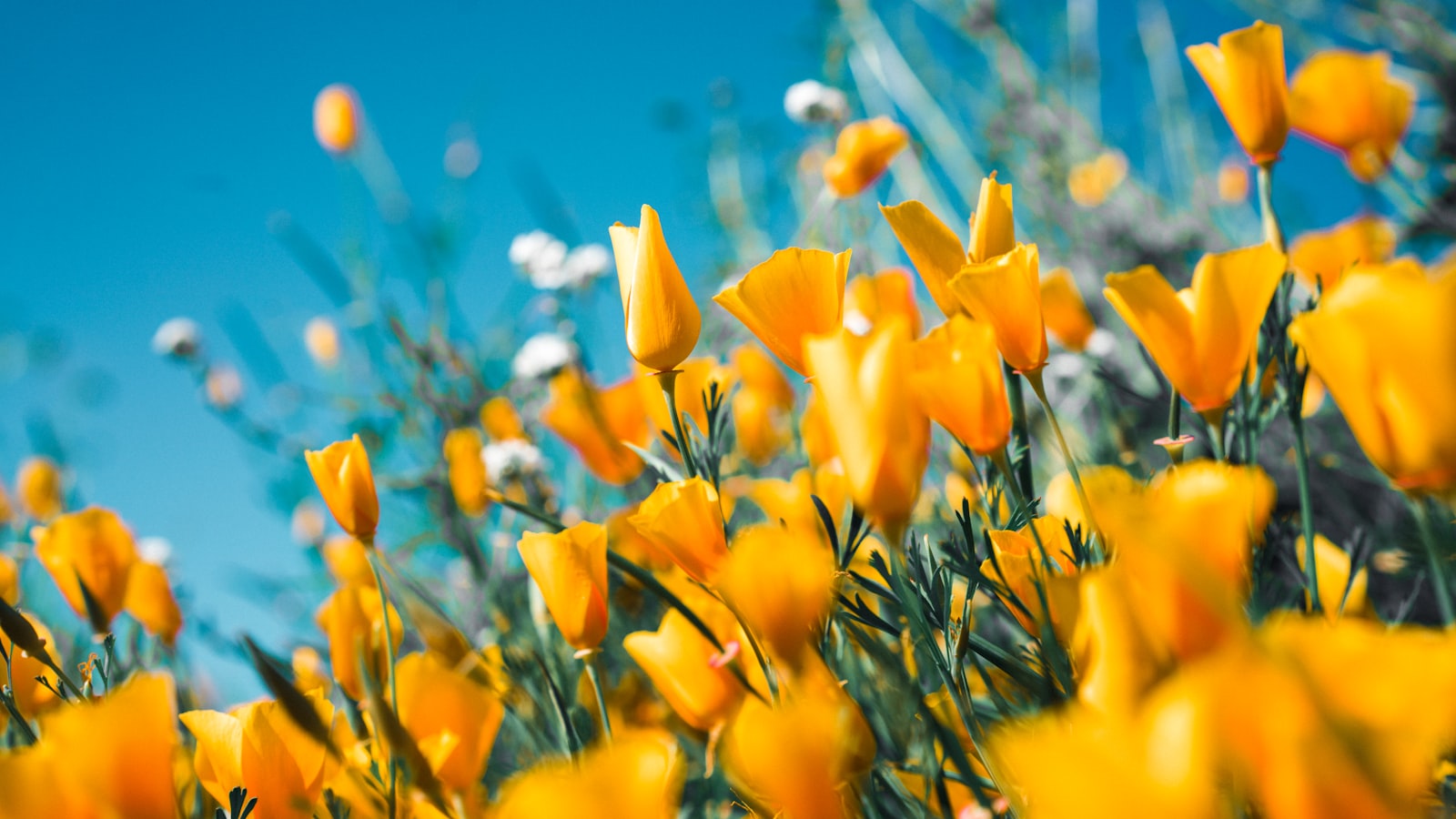
Bees, by the way, are especially drawn to blues, purples, and yellows, while butterflies often favor warm reds, oranges, and pinks. Mixing both keeps everyone happy.
Lean on Native Plants#
Here's the gentle secret that makes all of this easier: native plants are your best friends. The wildflowers and shrubs that naturally grow in your region evolved right alongside your local bees and butterflies. They speak the same language.
That means natives tend to offer exactly the right nectar and pollen, bloom at the right moments, and need far less fuss from you once established — they're already suited to your climate and soil. Some butterflies are even fussier than that. Their caterpillars can only eat specific host plants, which is the famous bond between monarchs and milkweed. No milkweed, no monarchs. Plant the host plants and you support the entire life cycle, not just the adults sipping nectar.
To find out what's native to your area, your local cooperative extension office or a regional native plant society is the perfect place to ask. They'll often have lists tailored to exactly where you live, which beats any generic recommendation I could give you.
Put Away the Harmful Sprays#
This one matters, so I'll be direct. Many insecticides don't distinguish between the pests you're trying to manage and the pollinators you're trying to attract. A spray meant for aphids can harm the very bees doing your garden a favor.
You don't have to surrender your garden to every nibbling insect, though. Start with the gentlest approach:
- Hand-pick larger pests or knock them off with a strong jet of water.
- Welcome natural predators — ladybugs, lacewings, and birds do a lot of free pest control.
- Tolerate a little damage. A few chewed leaves are the sign of a living ecosystem, not a failure.
If you ever decide a product is truly necessary, read the label carefully, choose the most targeted organic or natural option you can, and never apply it to open blooms or during the day when pollinators are active. Treating in the calm of evening, away from flowers, dramatically reduces the risk to your visitors.
Offer Water and Shelter#
Food gets the most attention, but pollinators need two more things to truly settle in: a drink and a place to rest.
Water is easy. A shallow dish with a few pebbles or marbles poking above the surface gives bees a safe spot to land and sip without drowning. Refresh it regularly so it stays clean. You'll be surprised how quickly it becomes a tiny watering hole.
Shelter is about resisting the urge to tidy everything. Many native bees are solitary and nest in bare patches of ground or in hollow plant stems, not in hives. So consider leaving a sunny patch of undisturbed soil, letting some stems stand through winter, and tucking a small log or rock pile into a quiet corner. Butterflies appreciate a flat, sun-warmed stone where they can bask and a sheltered spot out of the wind. A garden that's a little wild around the edges is a garden full of life.
Start Small and Watch It Grow#
You truly don't need to transform everything at once. When I talk to nervous beginners, I always say the same thing: pick one sunny spot, plant a small cluster of pollinator-friendly flowers — ideally a few natives — and simply watch what arrives. It won't take long.
And if some plants struggle or a few don't take, don't let it discourage you. Every gardener loses plants; it's how you learn which ones thrive in your particular patch. The pollinators won't judge your gardening résumé. They just want flowers, a drink, and somewhere safe to land.
Give them that, and you'll have built something genuinely good — a healthier garden for your plants, more food on your table, and a small, buzzing piece of the wider world made a little better. That's a wonderful thing to grow.