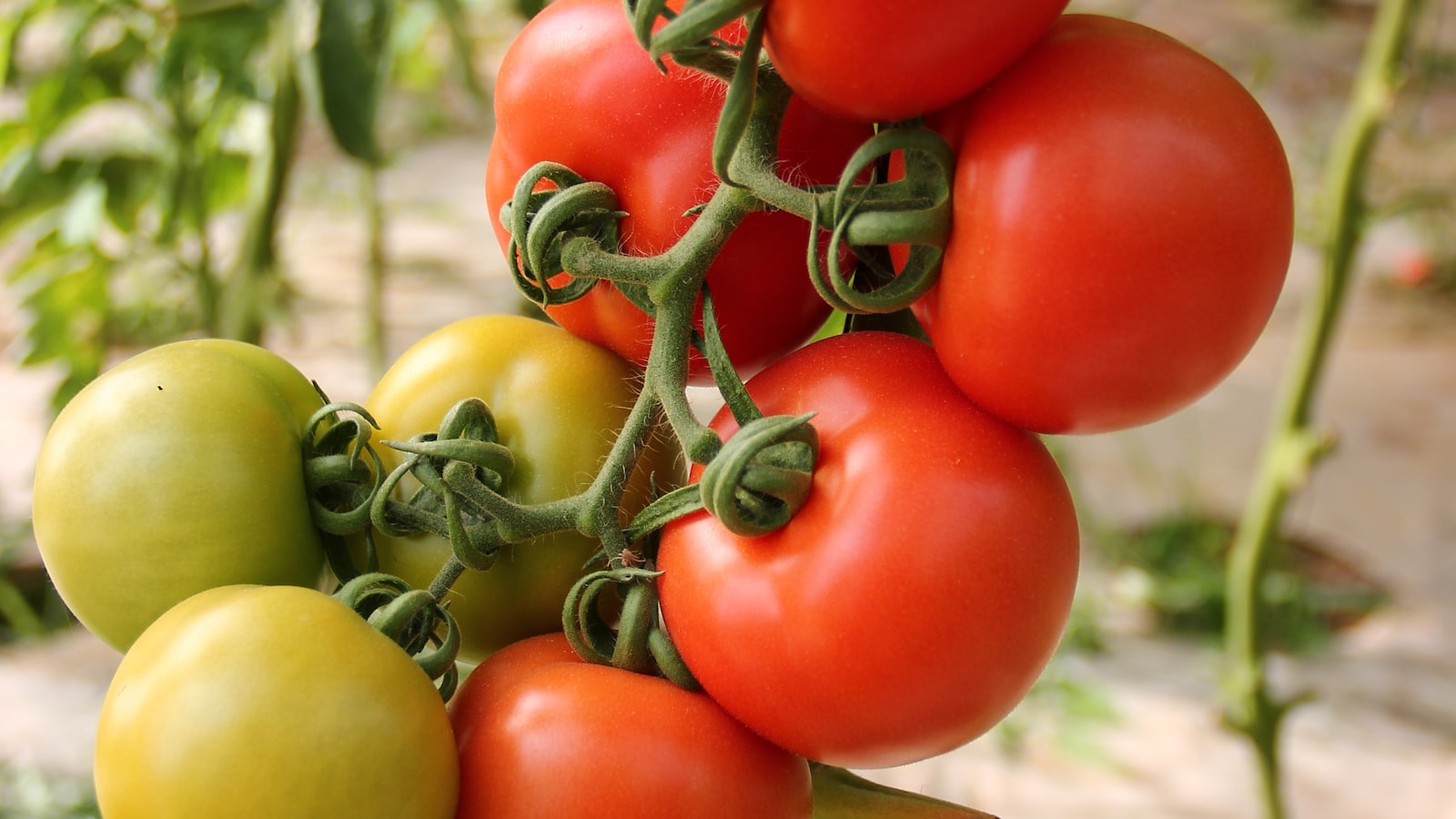
If gardening has a trophy crop, it's the tomato. Ask almost anyone who grows their own food how they got started, and somewhere in the story there's a tomato, that first sun-warm fruit eaten standing in the garden, still attached to the vine in their memory. Nothing from a shop tastes like it. That's the whole reason people get hooked.
The good news is that tomatoes are well within reach for a beginner. They ask for a few specific things, but once you understand what those are, you'll find them surprisingly generous. Let me walk you through what actually matters, and what you can safely ignore.
Give them all the sun you've got#
Tomatoes are sun-lovers, full stop. To grow sturdy plants and ripen good fruit, they want at least six to eight hours of direct sunlight a day, and honestly, more is better. A tomato in too much shade will grow leggy and pale, flower poorly, and give you a trickle of disappointing fruit.
So choose your sunniest spot and give it to the tomatoes. If you're growing in containers, that's actually an advantage, you can move the pots to chase the light or shift them out of brutal afternoon heat in very hot regions. Just make sure the container is a good size; tomatoes have hungry, thirsty roots and resent being cramped.
Water deeply and, above all, consistently#
If sun is the first pillar, water is the second, and the word that matters most here is consistent.
Tomatoes don't mind hard work, but they hate inconsistency. Steady watering prevents more problems than any product on the shelf.
The classic beginner mistake is watering erratically, soaking the plants one day, forgetting them for several, then drowning them in guilt. That swing from dry to wet is exactly what causes split, cracked fruit and a frustrating condition called blossom end rot, where the bottom of the tomato turns sunken and leathery. It looks like a disease, but it's usually a watering problem in disguise.
Aim instead for deep, regular watering that keeps the soil evenly moist, never bone-dry, never waterlogged. A few practical habits help:
- Water at the base of the plant, not over the leaves, to keep foliage dry and discourage disease
- Water in the morning so plants are hydrated for the day and leaves dry quickly
- Add a layer of mulch around the base to hold moisture and even out the soil
Containers dry out fast, so if you're growing in pots, expect to water more often, sometimes daily in peak summer heat.
Support them early#
A tomato plant in May looks like it could never need help. By midsummer it's a sprawling, fruit-heavy thing that will flop, snap, or sit its tomatoes in the dirt to rot if you haven't given it something to lean on.
The fix is simple: put your support in before the plant gets big. A sturdy cage or a tall stake set at planting time saves you from wrestling a tangled, brittle plant later. As it grows, gently guide the stems into the cage or loosely tie them to the stake, using soft ties that won't cut into the stem.
It's worth knowing there are two broad types of tomato, because it affects support. Determinate types grow to a set size and tend to fruit in a concentrated window, they're tidy and great for containers. Indeterminate types keep growing and producing all season, getting tall and needing more robust support. The plant tag or seed packet will tell you which you have, so glance at it before you buy.
Feed them, but don't overdo it#
Tomatoes are what gardeners call "heavy feeders", they appreciate good nutrition over a long season. Start them in rich soil with plenty of compost worked in, and that foundation does a lot of the work.
Beyond that, a balanced tomato or vegetable fertilizer can give them a boost as they grow and set fruit. The one firm rule: follow the label. More is not better with fertilizer, overfeeding, especially with high-nitrogen products, gives you a jungle of lush leaves and very few tomatoes. Lean toward gentle organic options where you can; they're more forgiving and harder to overdo. When in doubt, feed less and let the compost carry the load.
Head off the common problems#
Most tomato troubles are easier to prevent than to cure, and a daily wander past the plants catches nearly everything early. A few you'll likely meet:
- Cracked or split fruit usually points back to uneven watering, get consistent and it largely sorts itself out.
- Blossom end rot, that dark sunken bottom, is also tied to inconsistent moisture; steady watering and good soil are your best defense.
- Yellowing lower leaves can be normal aging, but sudden widespread yellowing is worth investigating.
- Pests like aphids or hornworms show up from time to time; catching them early, often by hand or with a strong spray of water, beats letting them settle in.
If you do reach for any pest or disease product, identify the problem first and use the product strictly per its label. And a piece of soil-first advice: giving plants room to breathe, with good spacing and dry foliage, prevents a great deal of fungal trouble before it starts.
Plant at the right time, for your region#
Here's the part I can't decide for you, because it depends entirely on where you garden: when to put your tomatoes out. Tomatoes are warm-season plants with zero tolerance for frost. A single cold night can undo months of hope, so timing is everything.
As a rule, you transplant tomatoes outside only once the danger of frost has passed and nights are reliably warm. But the actual dates vary enormously by climate and region, so before you plant:
- Look up your average last frost date
- Wait for warm soil and settled, mild nights, tomatoes sulk in the cold even without frost
- Check with your local cooperative extension service or a nearby garden center for region-specific timing
When your harvest finally comes, enjoy it with full confidence, you grew it, you know what it is, and there's nothing quite like it. That first ripe tomato is the moment most gardeners are chasing. Plant well, water steady, and yours is closer than you think.