Before we talk about a single beautiful leaf, let's start where it matters most: your pets' safety comes first, and no plant is worth a frightening trip to the emergency vet. If you share your home with a cat or dog, the question isn't just "what looks nice on the shelf?" — it's "what's safe to have in a room where a curious animal lives?"
The reassuring part is that you can absolutely have a green, leafy home and pets. You just need to choose deliberately, place plants thoughtfully, and verify before you trust. Let's walk through how.
Verify first, always#
I'm going to repeat this because it's the single most important habit you can build: check every plant's toxicity before it comes home.
Plant names are a mess. The same common name can refer to different species, and a plant that's fine for people can still be harmful to a cat or dog. The label at the shop won't always tell you, and a confident-sounding blog post (including this one) is no substitute for a proper reference.
So treat any list — mine included — as a starting point, not the final word. Look the plant up on a reliable, vet-backed toxicity database, ideally by its botanical name, and when in doubt, ask your own veterinarian. Your vet knows your specific animal, and they'd much rather answer a quick question than treat a preventable emergency.
A plant being labeled "pet-friendly" somewhere online is not a guarantee. Confirm it against a trusted toxicity source, and if you can't confirm it, treat it as unsafe.
Common plants worth avoiding (or keeping well out of reach)#
Some of the most popular, easiest-to-find houseplants happen to be toxic to cats and dogs. That doesn't mean they're forbidden — many people keep them safely on high shelves — but in a home with determined pets, the simplest choice is often to skip them.
Plants that are commonly flagged as toxic to cats and dogs include:
- Lilies — true lilies are especially dangerous to cats; even small exposures are treated as a serious emergency.
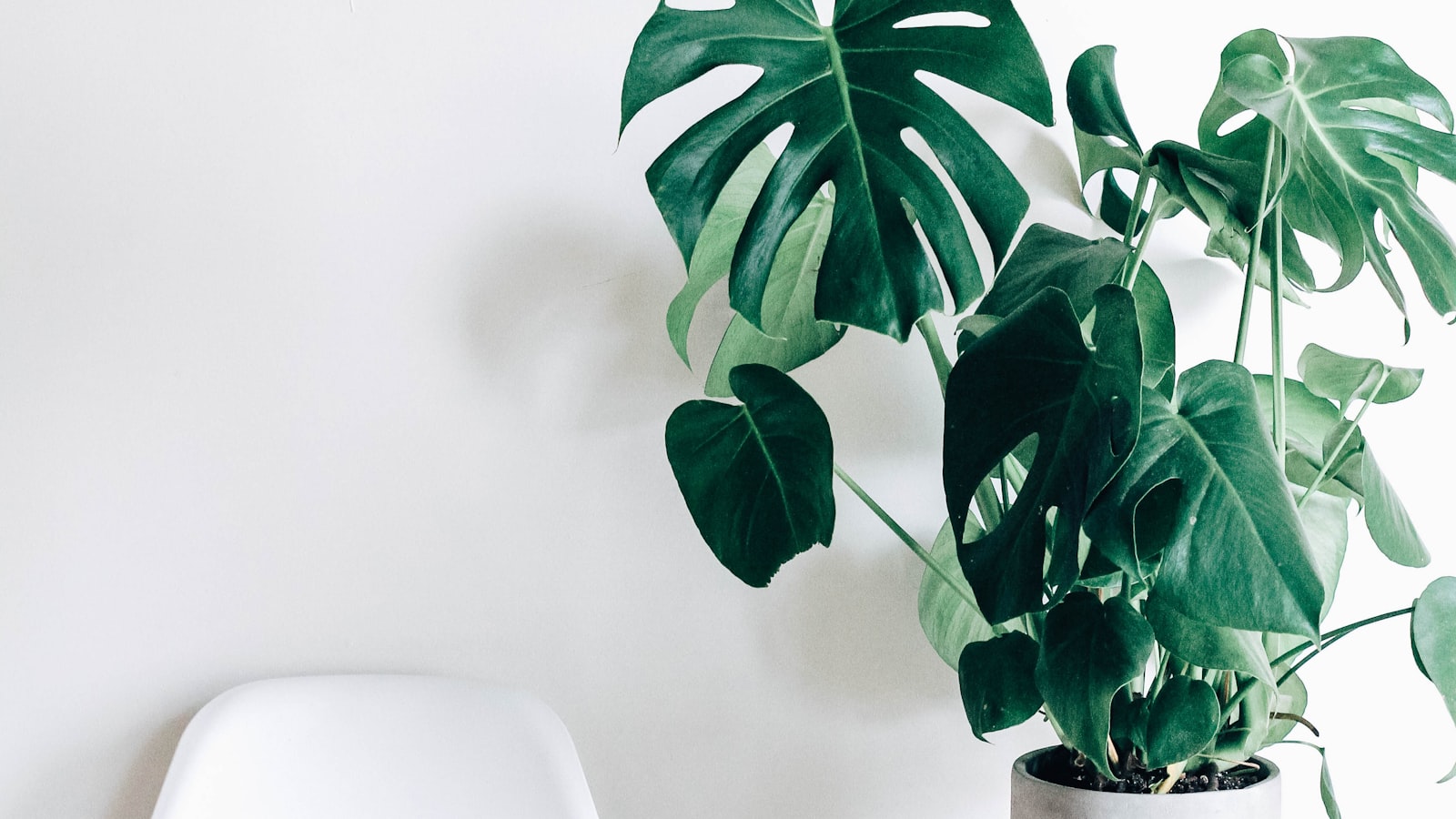
- Pothos and philodendron — extremely common, and irritating to the mouth and stomach if chewed.
- Dieffenbachia (dumb cane) — can cause painful mouth irritation and swelling.
- Sago palm — highly toxic, particularly to dogs.
- Aloe vera — popular and useful for people, but can upset a pet's stomach.
This is not a complete list, which is exactly why the verify-first rule matters. If you already own one of these and love it, you don't necessarily have to part with it — but place it somewhere your pet genuinely cannot reach, including the leaves that drop and the soil they might dig in.
Genuinely safer choices to start with#
Here's the happier news: there are many lovely houseplants widely considered non-toxic to cats and dogs. As always, confirm each one against a reliable source for your specific situation, but these are good names to research first:
- Spider plant — tough, forgiving, and one of the most popular safer choices. Cats often bat at its dangling plantlets, which is harmless even if a little annoying.
- Parlor palm — a soft, elegant palm that tolerates lower light.
- Boston fern and many true ferns — lush and leafy, with a taste for humidity.
- Calathea and prayer plants — gorgeous patterned foliage and generally regarded as safer.
- Peperomia — compact, varied, and easygoing.
With a palette like this, you can build a full, layered, green room without leaning on the toxic favorites at all. Mix trailing plants up high where pets can't reach, leafy ferns at mid-height, and compact peperomias on a desk, and the room reads as lush without a single risky leaf in paw's reach. If you're propagating any of these, the same care applies — see how to propagate houseplants for the basics, and keep the cuttings and water jars out of reach too, since a dangling stem is exactly the sort of thing a cat decides is a toy.
"Safer" still doesn't mean "snackable"#
This is the nuance people miss. A plant being non-toxic means it's unlikely to poison your pet — not that your pet should be eating it.
Even a safe plant can cause a tummy upset, vomiting, or choking if an animal chews enough of it. Potting soil, decorative gravel, and fertilizers carry their own risks. So the goal isn't to assemble a salad bar of edible plants; it's to remove serious danger while still treating plants as decor, not food.
A few practical habits help:
- Place plants on shelves, hangers, or surfaces your pet can't easily reach, and remember cats climb.
- Sweep up dropped leaves promptly, since fallen bits are the most tempting.
- If your pet is a determined chewer, offer a deliberate alternative, like a pot of cat grass, to redirect the urge.
- Keep fertilizers, pebbles, and any treated soil out of paws' reach.
If your pet eats something#
Even careful homes have accidents. If you catch your pet chewing or eating a plant — or you suspect they have — don't wait to see what happens. Call your veterinarian or an animal poison helpline right away, and if you can, tell them which plant and roughly how much.
Try to identify the plant by its botanical name if you know it, and bring a leaf or a photo if you head to the clinic. It helps to keep a note somewhere of what's actually in your home, so that in a stressful moment you're not squinting at a label trying to remember whether that trailing vine is a pothos or a safer lookalike. Quick, calm action gives your vet the best chance to help, and many scares end fine precisely because someone acted early instead of hoping.
You can have a beautiful, leafy home and a happy, safe pet at the same time. Choose your plants on purpose, verify every one, place them with your animal's habits in mind, and keep that vet's number handy. Do that, and the only thing your plants will be is lovely.